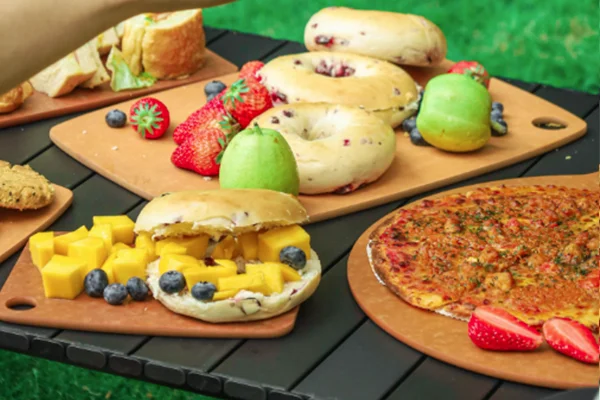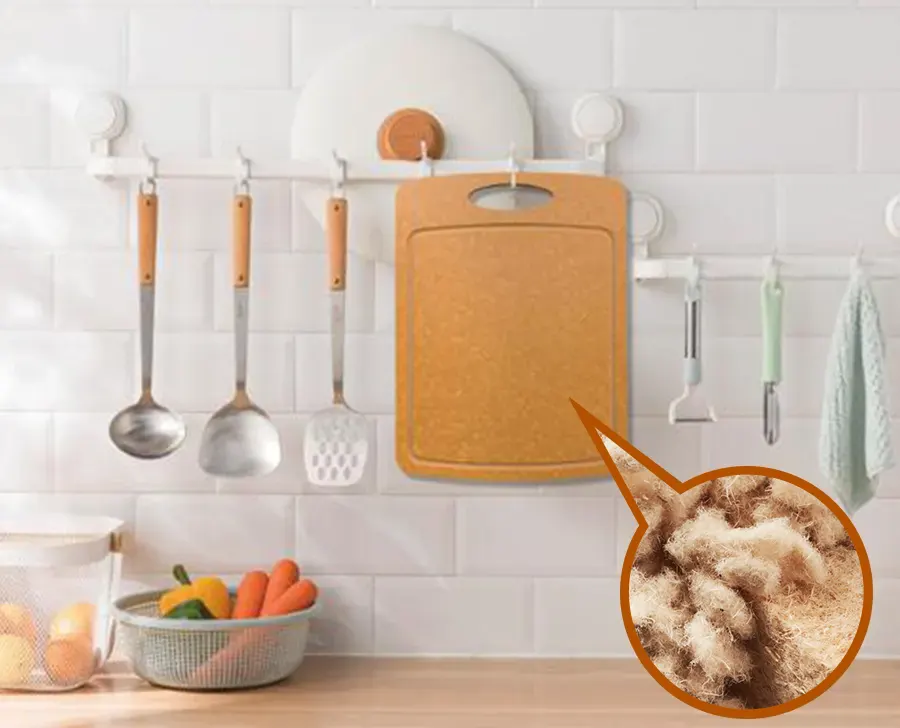


When it comes to choosing the best cutting board for your kitchen, the material is the first thing to consider. While traditional options like wood, plastic, and bamboo have their merits, wood fiber cutting boards (also known as composite cutting board, wood composite cutting board, paper fiber cutting board, or wood fibre cutting board) have emerged as a top choice for both home cooks and professional chefs. Let’s dive into why this material is gaining popularity and what makes it stand out from the rest.
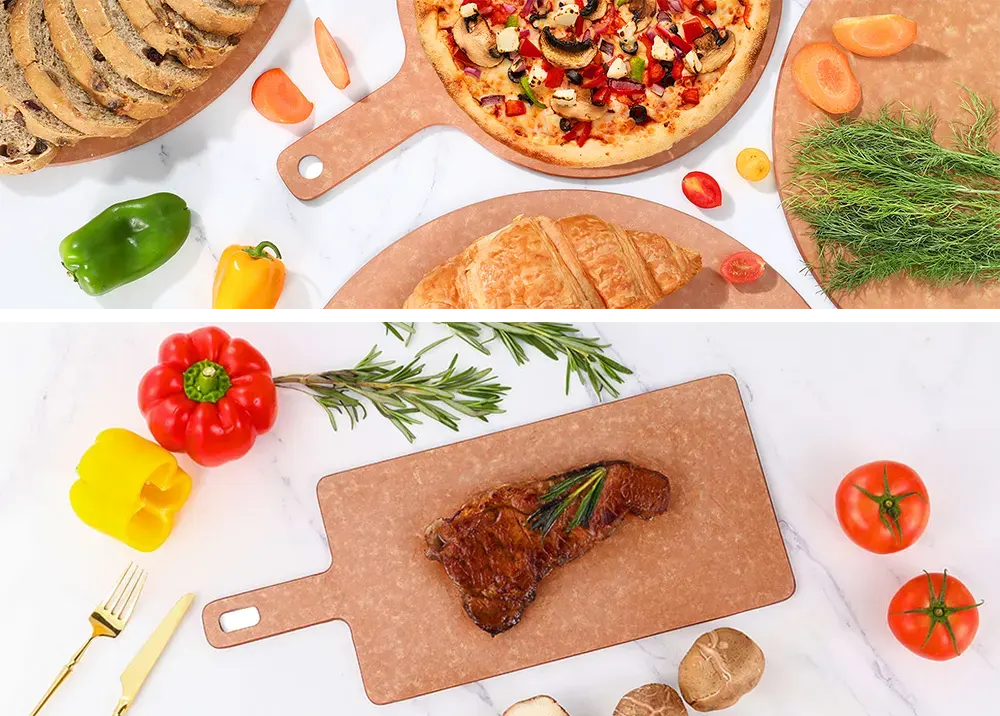
Popular Composite Cutting Board Brands
The market is filled with high-quality brands that specialize in wood fibre chopping boards, including Epicurean, Elihome, Bestcook, Seed & Sprout, SAGE, and Jade. Each brand offers unique designs and features, but they all share one thing in common: a focus on durability, functionality, and aesthetics.
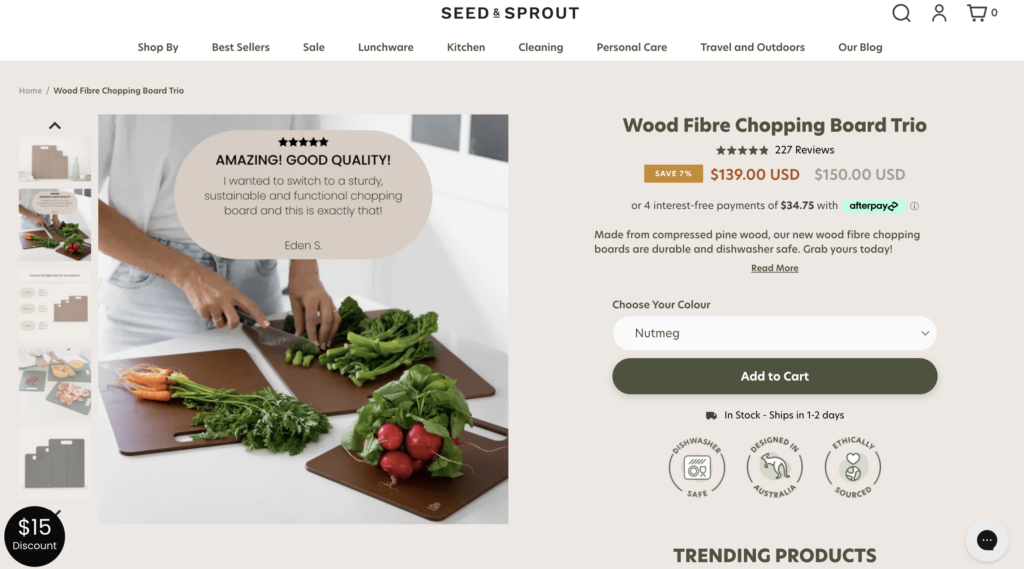
1. Seed & Sprout
- Established: 2014
- Started selling wood fiber cutting boards: 2016 (launched its eco-friendly home products line)
- Annual Revenue: Approximately $5 million (estimated)
Seed & Sprout is an Australian company focused on sustainable and eco-friendly home products. Its wood fiber cutting boards are known for their eco-conscious design and durability, appealing to environmentally aware consumers.
2. Epicurean USA
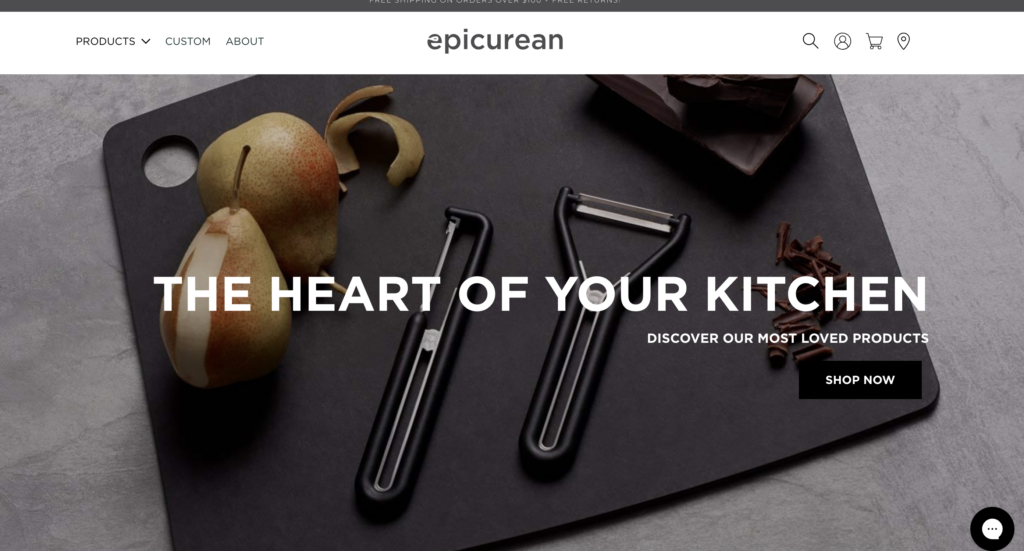
Epicurean USA is a leading U.S.-based kitchenware brand renowned for its high-performance composite cutting boards. Its products use recyclable materials, combining durability with eco-friendliness, and are popular among both professional chefs and home cooks.
- Established: 1999
- Started selling wood fiber cutting boards: 2002 (introduced its first composite cutting board)
- Annual Revenue: Approximately $20 million (estimated)
3. Elihome
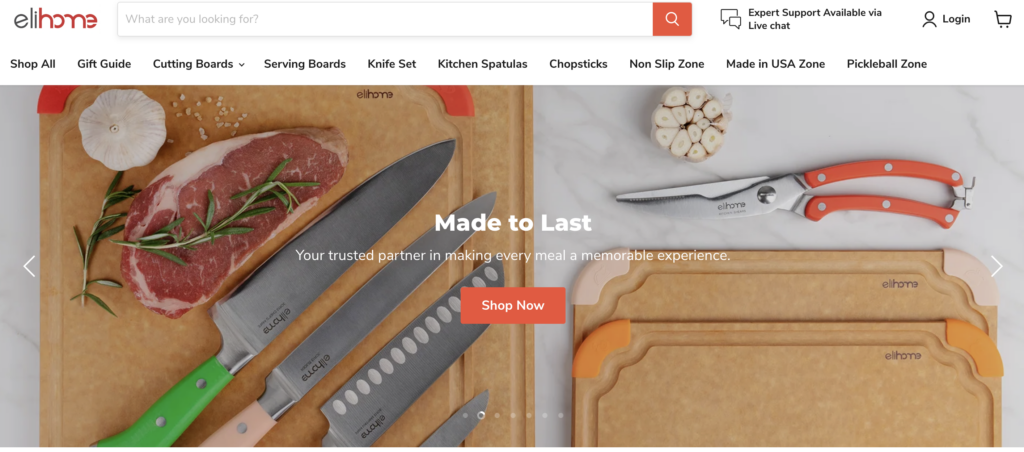
Elihome is a company specializing in modern kitchenware, known for its innovative designs and high-quality wood fiber cutting boards. Its products emphasize the balance between aesthetics and functionality.
- Established: 2010
- Started selling wood fiber cutting boards: 2015 (launched its first wood composite cutting board)
- Annual Revenue: Approximately $8 million (estimated)
4. JAEHN (JADE)
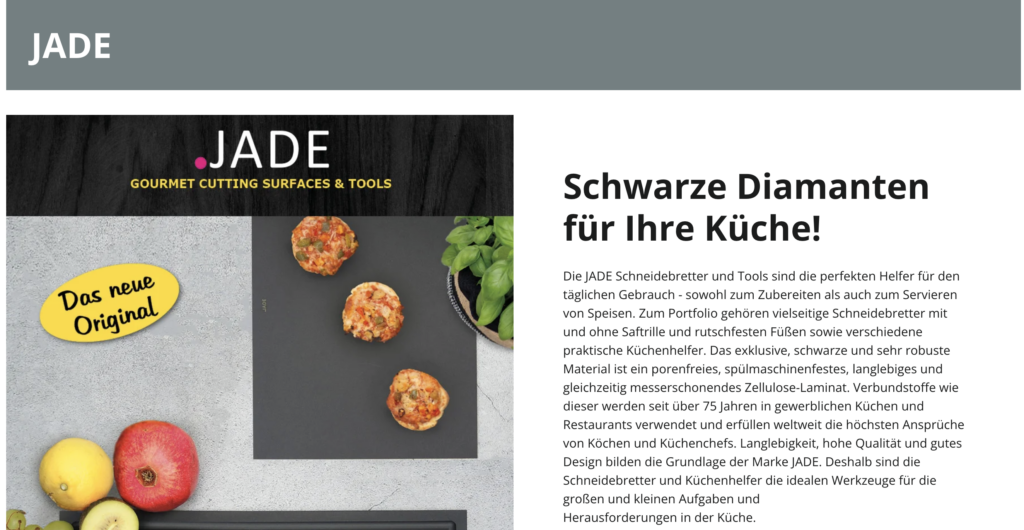
JAEHN is a German company, and its JADE brand is known for high-end kitchenware. Its wood fiber cutting boards are celebrated for their craftsmanship and elegant designs, making them a favorite among European consumers.
- Established: 2012
- Started selling wood fiber cutting boards: 2014
- Annual Revenue: Approximately $12 million (estimated)
5. Surface by Sage
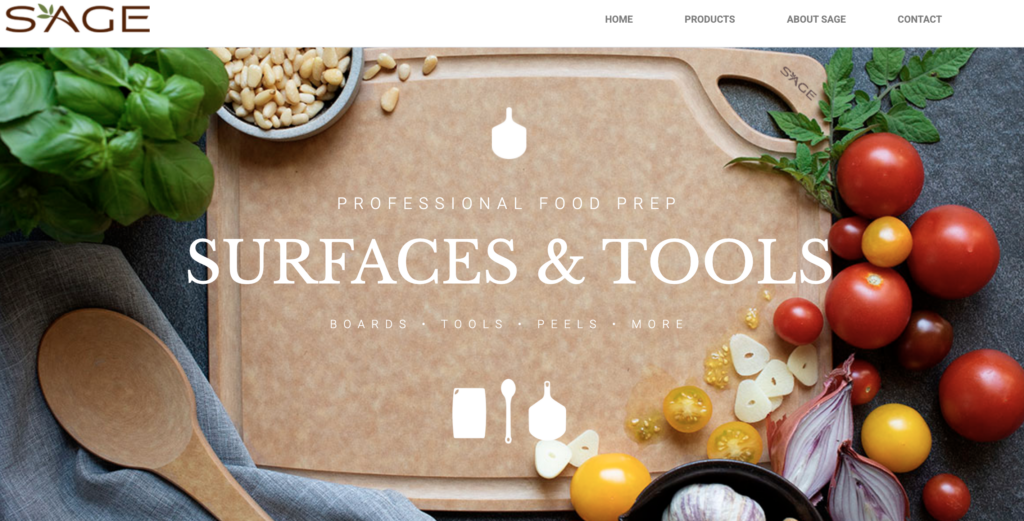
Surface by Sage is a brand focused on modern kitchen tools, known for its innovative composite cutting boards. Its products are lightweight, durable, and easy to clean, making them ideal for contemporary households.
- Established: 2015
- Started selling wood fiber cutting boards: 2016 (introduced its first composite cutting board)
- Annual Revenue: Approximately $6 million (estimated)
Why Wood Fiber Cutting Boards Are Trending
So, what makes wood fiber cutting boards so special? Here are a few reasons:
- Dishwasher Safe: Unlike traditional wood boards, composite chopping boards can safely go in the dishwasher, making cleanup a breeze.
- Hygienic & Antibacterial: The non-porous surface resists moisture, preventing bacteria and mold growth.
- Knife-Friendly: Wood fiber boards are gentle on knives, helping to preserve their sharpness over time.
- Lightweight & Stylish: These boards are lighter than traditional wood or stone options, and their sleek designs fit seamlessly into modern kitchens.
Are Composite Cutting Boards Safe?
Composite cutting boards are a safe and hygienic choice for both home kitchens and commercial settings. These boards are typically made from materials like wood fibers or paper infused with food-grade resins, creating a non-porous surface that resists bacterial growth. Unlike traditional wooden boards, composite cutting boards do not absorb moisture, which significantly reduces the risk of harboring harmful bacteria . Additionally, they are NSF-certified, meaning they comply with strict food safety regulations, making them suitable for use in professional kitchens .
The materials used in composite cutting boards are carefully selected to ensure they are non-toxic and durable. For instance, Culiex’s cutting boards are crafted from sustainably sourced pine wood fiber and food-grade resins that are 100% BPA-free, ensuring they meet food safety standards . The non-porous surface also makes them easy to clean, and they can even be safely washed in a dishwasher, adding to their convenience and hygiene .
In terms of knife safety, composite cutting boards are designed to be gentle on knife blades, reducing wear and tear compared to harder materials like stone or glass . This combination of safety, durability, and practicality makes composite cutting boards a reliable choice for anyone prioritizing food hygiene and kitchen efficiency.
How We Evaluated Composite Cutting Boards

Most cutting board reviews focus on what consumers experience after purchase. While that’s important, it only tells part of the story. The real differences between a high-quality composite cutting board and a mediocre one are often determined long before it reaches your kitchen—during material selection, manufacturing, and quality control.
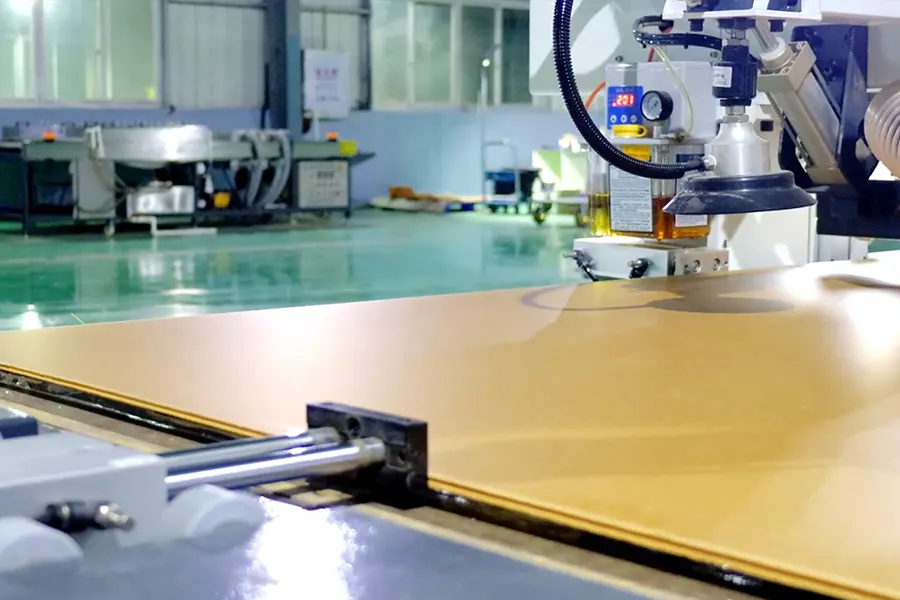
As a composite cutting board manufacturer, we evaluate products from both a user’s perspective and a manufacturer’s perspective. This allows us to look beyond marketing claims and assess the factors that truly influence long-term performance. Culiex’s production process includes everything from raw material selection and CNC machining to laser engraving and multi-stage quality inspection, giving us first-hand insight into what makes a reliable composite cutting board.
For this review, we evaluated composite cutting boards based on the criteria below.
1. Material Composition
Not all composite cutting boards are made from the same materials.
Premium boards typically combine high-density wood fibers with food-grade resin under high pressure and high temperature. The ratio of these materials directly affects durability, moisture resistance, and cutting performance. Inferior boards often use lower-quality fibers or excessive fillers, resulting in inconsistent density and shorter service life.
At Culiex, our composite boards are manufactured using FSC-certified pine wood fiber and food-grade resin to create a dense, non-porous cutting surface that is designed for everyday food preparation.
2. Knife Friendliness
A cutting board should protect both your countertop and your knives.
If the surface is too soft, it develops deep grooves that can trap food residue and bacteria. If it is too hard, it may accelerate blade wear over time.
When evaluating composite cutting boards, we look for a balanced cutting surface that minimizes visible knife marks while remaining gentle enough for everyday kitchen knives. This balance largely depends on material density and the manufacturing process rather than the material name alone.
3. Durability Under Daily Use
Kitchen cutting boards are exposed to repeated cutting, washing, moisture, and temperature changes.
To judge durability, we considered how well composite boards resist:
- Warping
- Cracking
- Chipping
- Surface deformation
- Edge damage after prolonged use
Boards manufactured with high-pressure laminate (HPL) technology generally perform better because the wood fibers are compressed into a much denser structure, improving dimensional stability and impact resistance. Culiex manufactures its composite boards using high-pressure lamination at approximately 180°C under high pressure to achieve this dense construction.
4. Water and Stain Resistance
One of the biggest advantages of composite cutting boards is their non-porous surface.
Unlike traditional wooden boards, a properly manufactured composite board absorbs very little moisture. This helps prevent stains from ingredients like tomatoes, berries, turmeric, or raw meat juices while also making cleanup much easier.
During evaluation, we consider whether the board retains odors, develops discoloration, or absorbs liquid after repeated food preparation.
5. Dishwasher Performance
Many consumers specifically choose composite cutting boards because they are dishwasher safe.
However, simply claiming “dishwasher safe” is not enough. A quality board should maintain its shape, surface finish, and structural integrity after repeated dishwasher cycles without delamination or warping.
Manufacturers should also validate this performance through standardized durability testing rather than relying solely on material specifications. Culiex includes dishwasher performance as part of its product verification process alongside food-contact and durability testing.
6. Food Safety
Food safety is one of the most important evaluation criteria.
We look beyond surface appearance and consider whether the materials comply with recognized food-contact standards and whether the manufacturing process minimizes contamination risks.
For example, reputable manufacturers often provide certifications or test reports such as:
- FDA food-contact compliance
- LFGB testing
- BPA-free materials
- Antibacterial performance
- Anti-mold testing
These certifications provide greater confidence that the cutting board is suitable for long-term kitchen use. Culiex states that its boards are produced with BPA-free food-grade resin and are supported by FDA, LFGB, antibacterial, anti-mold, and dishwasher test reports.
7. Manufacturing Quality
This is where manufacturers often notice differences that consumers cannot immediately see.
A composite cutting board may look identical in photos, yet perform very differently depending on how it is produced.
During manufacturing, we pay attention to details such as:
- CNC cutting precision
- Smooth edge finishing
- Surface sanding and polishing
- Consistent thickness
- Laser engraving quality
- Moisture control before packaging
- Final dimensional inspection
At Culiex, every production stage is followed by quality checks, including monitoring temperature, pressure, hardness, thickness, and weight. According to the company, each board is verified to achieve a Shore hardness of 90 or above before shipment.
What Makes a Great Cutting Board?
From a consumer’s perspective, the best cutting board should combine functionality with aesthetics. Here’s what to look for:
- Ease of Cleaning: A board that’s dishwasher safe and resistant to stains is a must.
- Durability: It should withstand heavy use without warping or cracking.
- Knife Care: A knife-friendly surface ensures your blades stay sharp longer.
- Design: A board that complements your kitchen’s style adds to the overall experience.
Wood fiber cutting boards tick all these boxes, making them an ideal choice for anyone looking to upgrade their kitchen tools.
Why Our Evaluation Is Different
Most online reviews are written after a few weeks of home use. While these experiences are valuable, they rarely explain why one composite cutting board performs better than another.
Our evaluation combines practical kitchen performance with manufacturing knowledge developed through the production process. By understanding how raw materials, high-pressure lamination, precision machining, and quality inspection influence the finished product, we can evaluate composite cutting boards based on the factors that actually determine their long-term durability, hygiene, and overall value.
Final Thoughts
Culiex as a manufacturer specializing in wood fiber composite cutting boards, we’re passionate about creating products that meet the needs of modern kitchens. If you’re curious about these boards or want to test them out, we’re happy to provide samples for further evaluation. Let’s keep the conversation going—feel free to leave a comment or reach out with any questions!